
Awaab’s Law Phase 2: Social Housing Challenges
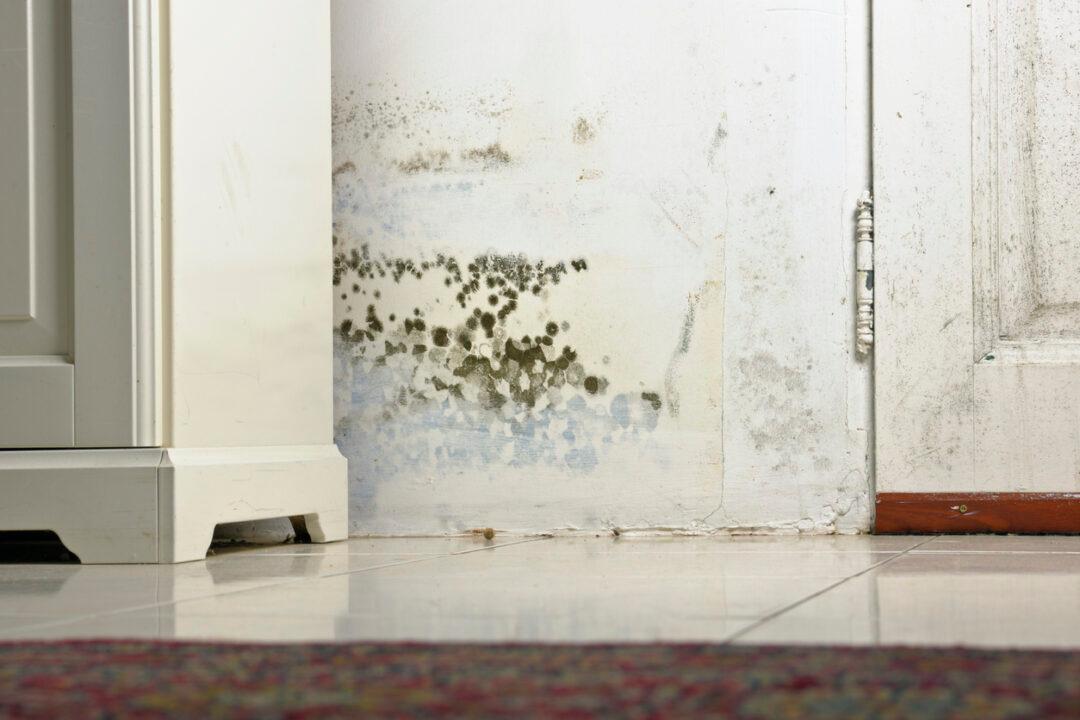
Awaab’s Law Phase 2: Autumn’s Perfect Storm for Social Housing Providers
Awaab’s Law Phase 2 takes effect on 30th November 2026, bringing additional compliance requirements for social housing providers. With phase 1 having been in force for a year, the sector now faces further challenges as it heads into winter.
There is little argument against the legislation. The safety and wellbeing of tenants must be a priority but how has the industry coped with the first wave of change? And is it equipped to deal with another level up?
A survey by benchmarking firm Housemark four months after phase 1 was introduced was broadly positive. Of the 154 social landlords questioned, it found 7 in 10 met the new Awaab’s Law deadlines more than 90% of the time.
Confusions over categorisation
Yet behind the headline figure was a grey area. There was no consistent approach to the identification, categorisation and prioritisation of hazards. To illustrate, the survey revealed almost half of social landlords identified between zero and 10 emergency hazards, while others reported over 150.
One provider’s emergency could be another’s low-level grumble. Without a standardised list of nuanced hazards, it’s up to each housing provider to make a triage judgement and resource accordingly. The more hazards identified, the safer tenants are but the more property visits are required.
Awaab’s Law Phase 2: Extra hazards, extra pressure
Now on to what type of storm could be brewing as we head from autumn into winter – and into phase 2 of Awaab’s Law. The point about resourcing is one that takes on extra meaning.
Phase 1 of Awaab’s law saw an emphasis on damp and mould hazards, with the rule that social landlords must investigate significant hazards of this nature within 10 working days of being reported.
Unsurprisingly, Housemark’s 2025 survey showed significant damp and mould cases rose between November and December 2025. Simultaneously, 71% of emergency hazards were resolved within 24 hours in November last year but this dropped to 56% in December.
To blame? Seasonal workforce pressures and not reduced compliance. This November and December will hit differently, with Awaab’s Law Phase 2 taking effect at the same time as peak damp and mould season.
Are Social Housing providers ready for Awaab’s Law Phase 2?
The Government’s phased introduction of Awaab’s Law does allow for a ‘test and learn’ approach. This official Government document published in July 2026 explains a smaller phase 1 was implemented to allow property managers to reshape their hazard and response processes.
Phase 1 feeds into phase 2, which incorporates a greater number of HHSRS (Housing Health and Safety Rating System) hazards over and above significant damp and mould, as well all emergency hazards.
As of 30th November 2026, more hazards will be subject to prescribed response and repair timeframes. It’s a move the Government itself acknowledges will cost social landlords money. Its document says the extent of added costs will ‘vary across the sector, with the greatest cost falling on those currently not properly fulfilling their responsibilities towards their tenants.’
The Cost of Social Housing Compliance
Just how much? The Government’s own assessment estimates phase 1 costs to be £14.6 million per year, measured over a ten-year appraisal period across the social housing sector. Those within the sector say this is a woeful underestimate.
Perhaps the Government’s greatest concession is that, in its own words, ‘for some landlords, the costs of meeting Awaab’s Law might require them to deprioritise other services and investments.’
But what if investment included technology that would make it easier for social housing providers to meet their Awaab’s Law obligations? It’s an aspect that concerns The National Housing Maintenance Forum.
It predicted problems in 2025. Back then, Tessa Barraclough, Lead for the National Housing Maintenance Forum’s Working Group on Healthy Homes, published this article discussing the industry’s significant readiness gaps.
She commented how multiple technology systems had already been developed specifically to help housing providers meet Awaab’s Law compliance. Tessa observed an unhelpful disconnect. Existing housing management systems were never designed for the timebound, multi-hazard case management that phase 2 requires.
Old IT systems, a lack of investment and under resourcing are the inclement weather aspects that are building to a storm ahead of phase 2. As Inside Housing recently highlighted, it hoped the Affordable Homes Programme (AHP) would provide a cash injection, but the funds are for capital development and not directly for compliance.
Awaab’s Law Phase 2 hazards and what comes next
Worryingly for struggling departments, there’s another phase to Awaab’s Law. Phase 3 will be implemented in 2027, extending prescribed response and repair times to all remaining HHSRS hazards, except overcrowding.
As a reminder, these are the hazards included in phase 2, in addition to all emergency hazards and all damp and mould hazards:
- Excess cold and excess heat
- Falls on the level, on stairs, or between levels
- Structural collapse and falling elements
- Fire and explosions
- Electrical hazards
- Domestic hygiene (including personal and food safety)
Emphasis on in-house expertise
There has been a drive to upskill existing housing staff, so they have the fire safety, electrical diagnostics, structural risk and thermal safety knowledge to qualify an ever-growing list of hazards.
The training itself is taking staff away from frontline duties but it’s often cheaper than hiring qualified, external investigators to attend critical incidents. This November, we will see a surge in the number of property visits needed, including emergency callouts, triage, on-site meetings with contractors, completion inspections and return visits. Working out who to send and what to pay for will need a new plan.
Prevention is better than drastic cure
One emerging strategy is to pursue a more aggressive preventative approach to property conditions, which would limit the chances of small niggles turning into time-sensitive hazards.
It’s an idea Viewber is exploring with several social housing providers. Inspecting a portfolio to assess its condition will identify weak points that can be addressed in a more timely manner, and before the cost to resolve the issue spirals. Early intervention also reduces the risk of decanting a wholesale number of tenants and managing ensuing voids.
Viewber’s reporting and inspection services can play a valuable role in supporting social housing compliance, particularly through triage and follow-up quality control, especially as phase 3 is just a year away.
Our reports are professionally written and backed with photographs and video footage. A Viewber can even conduct a live video call from the home, allowing the property manager to fully control the inspection. Identified hazards can be immediately escalated and a qualified investigator sent to undertake a formal assessment.
Working in line with prescribed timeframes
We know that time is of the essence when it comes to social housing compliance and Awaab’s Law, so a Viewber can usually be booked to attend the next day, where access has been granted.
Viewber’s seven-day a week service also has a distinct advantage. We offer weekend, Bank Holiday and evening appointments, increasing the chances of gaining property access when a tenant is more likely to be home.
Services in Scotland and Wales
Social housing provider in Scotland? We have you covered. Our network extends North so we can help social landlords in Scotland comply with the Investigation and Commencement of Repair (Scotland) Regulations 2026, which came into force on 6 October 2026.
Viewber also covers Wales. If you’re struggling with the Renting Homes (Wales) Act 2016 or the Welsh Housing Quality Standard (WHQS), a Viewber can help share the triage and response load.
An overhead you can control
Conscious of budgets, Viewber is ‘pay as you use’ with clear, fixed pricing. Our service allows you to save expensive, specialist investigators for the most serious hazards, with a Viewber undertaking early, preventative identification, evidence gathering and quality control visits for a low fee.
You won’t need to invest in any new software either. Simply create an account and enjoy a user-friendly client dashboard or talk to us about integrating your platform with ours using API technology.
We’re here to support social housing managers with social housing compliance as they adapt to phases 2 and 3 of Awaab’s Law. Get in touch for more details about our property visit and inspection services.