The Hidden Link Between Oil Prices and the UK Property Market
The Hidden Link Between Oil Prices and the UK Property Market
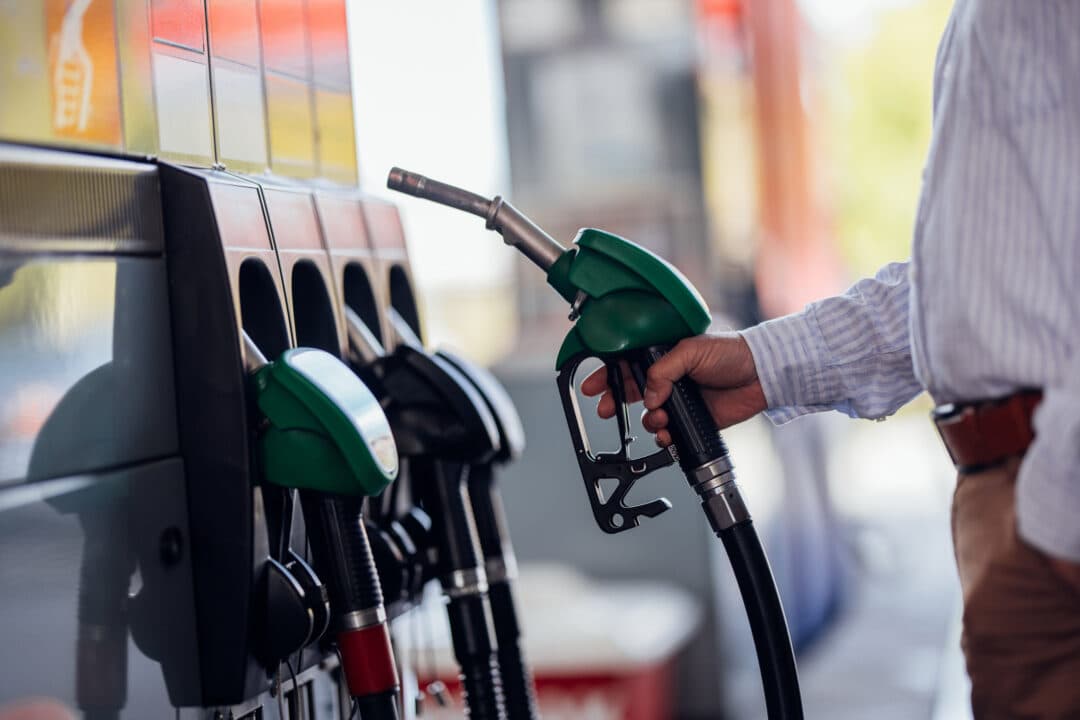
Have you recently filled up at the petrol station and winced at how little fuel a big spend gets you? It’s because the flow of oil from the Strait of Hormuz continues to be constrained.
Before geopolitical instability, between 10% and 20% of the world’s oil used to pass through this vital waterway on a typical day. Now, the political volatility playing out more than 4,000 miles away is directly impacting how much the UK pays at the pumps. Oil and energy price rises, however, ripple out into almost every corner of our lives, including UK property market data.
Housebuilding impacted by Hormuz
Starting with the new homes sector. When Labour set its 1.5 million housebuilding target back in 2024, it knew the figure was ambitious. Successive Governments have failed to meet self-set housebuilding figures and the current oil crisis looks set to topple Labour’s goal.
The Evening Standard published the latest S&P Global UK construction PMI in early May. The trend was downwards. The reading of 39.7 in April decreased from 45.6 in March. What does that mean in layman’s terms? Housebuilding and civil engineering activity has dropped, and blame has been pinned on the surging cost of energy, materials and fuel.
Housebuilders say their suppliers are passing on the increasing price to transport materials. And it’s a double-edged sword. The obvious constraint is the cost of fuel used by the lorries and machinery associated with housebuilding. From the HGVs that deliver bricks and cement to site to the diggers used to excavate earth, it’s now more costly to power activity and progress.
Materials stuck or rerouted
Then there is the flow of materials themselves. Tankers manoeuvring on Strait of Hormuz are often laden with the materials needed to build homes here in the UK, as well as oil. When the supply chain for aluminium, copper, cement additives and the petrochemical products used in plastics is limited, everyone is forced to source elsewhere.
The obvious side effect? Prices go up as a result. Housebuilders will even pay a premium when materials in Iran take a detour around Africa to avoid the Strait. This also creates time delays, hastening construction slowdown.
Ultimately, these extra expenses are passed down to consumers. New homes might carry a premium in the immediate future as houses are simply costing more to build.
Not in the market for investment
It’s clear the physical act of housebuilding has taken a hit but property buyers will be feeling a degree of financial pain they may not associate with the oil crisis. But there is a clear link.
We’re commonly hearing that ‘markets are spooked’ – a phrase that crops up during phases of geopolitical or economic instability, like now. Uncertainty makes investors and financial markets jittery, which leads to caution.
Rates rise, both base and mortgage
Scrape away at the complex layers and investor hesitation ultimately affects mortgage rates. The long explanation involves national debt known as gilts, investors lending the Government money, borrowing costs and inflation. The short story is investors are worried that inflation and base rates are only heading higher. This has presented itself as increasing mortgage rates during the conflict.
Moneyfacts confirmed the average two-year fixed mortgage rate increased from 4.83% at the start of March to 5.35% at the end of March. It also claimed the average interest on new mortgages could stabilise at about 5.50% to 5.75% if the base rate rises to 4% or 4.25%, as predictions suggest.
Some existing mortgages also take a hit when the base rate rises, with variable and tracker mortgage repayments increasing every time the base rate nudges upwards. It’s a looming spectre that adds to the nerves.
Life is more expensive
Let’s expand more on one of the above points – inflation – examining how this is linked to the oil crisis and property much closer to home. Inflation measures how the cost of popular consumer goods and services are rising over time – basically how much more it costs to live.
The Bank of England’s inflation target is 2% but in March 2026, the UK’s annual inflation rate, as measured by the Consumer Prices Index (CPI), was 3.3%. There was a slight drop to 2.8% in May but the full impact of the Iran crisis is not fully reflected and the most recent figure included Ofgem’s lower energy price cap.
UK inflation data (ONS CPI) >>
Faisal Islam, the BBC’s economics editor, said there is ‘nothing that is going to stop the coming Iran shock seeing inflation rise’. Consumers should also note the energy price cap is forecast to increase by 13% in July, hiking fuels bills once again.
The reality? The Bank of England’s base rate is intrinsically linked to inflation. The base rate often rises to keep inflation in check, making borrowing money more expensive and limiting the debt we get into. An inflated bank rate is also designed to make us save, not spend, more. So where is the base rate headed this year? The Bank has warned base rate increases are inevitable if the price of oil stays high.
Pausing property action
As consumers, we naturally get nervous – the Bank’s actions are designed to do just that. The double-whammy of high mortgage rates and high inflation is forcing many potential movers to pause their activity.
Even estate agents will be counting the cost of spiralling oil prices but there is one small but meaningful way Viewber is helping. Thanks to our nationwide network of members, we have a Viewber local to every property in the UK. In most cases, the Viewber can walk to the property on foot, arriving to either accompany a viewing, conduct an inspection or let in a trade and lock up after.
👉 Learn more about Viewber property visits >>
👉 Explore Viewber viewings on your behalf >>
👉 Discover Viewber enable access services >>
It’s a benefit that neatly brings back to our original point – the wide eyed stare as you watch the numbers spin round on the petrol pump. Viewber can cut your car reliance, saving you hundreds of pounds in petrol. Our pricing includes travel and parking costs, giving you two less things to worry about. Send a Viewber running on pedestrian power instead of a tank of fumes. Why not open an account with Viewber today?